Small Brush Font Review: A Dynamic Typographic Statement
There’s a moment in every branding project when you’re staring at a blank brand board, the cursor blinking on your screen, and the pressure to make an impact feels almost overwhelming. That was me last week when I was tasked with revamping the visual identity for a boutique skincare line. I needed something that would convey strength, authenticity, and a touch of mystery—something that felt alive. Enter Small Brush. It wasn’t just a font choice; it became the heartbeat of the entire brand.
The Personality of Small Brush
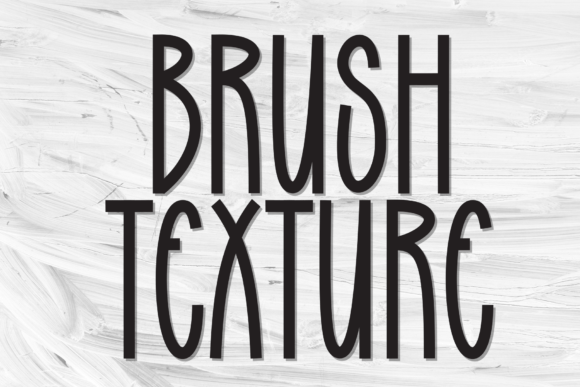
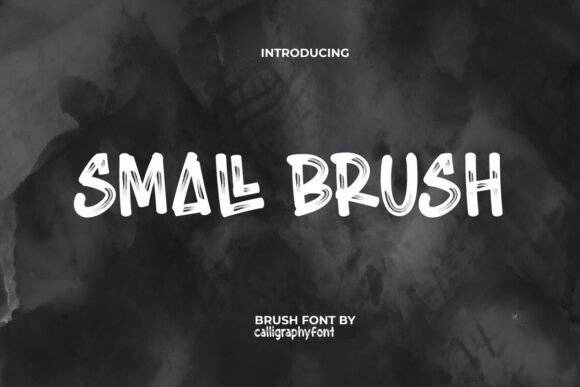
Small Brush is a textured brush marker font with an energetic and dynamic style. It has that raw, handcrafted feel that makes it stand out in a sea of sterile, digital typefaces. The texture adds depth and character, giving each letter a sense of movement and power. It exudes strength and mysterious edges, making it ideal for brands that want to communicate confidence and individuality.
What I love most about Small Brush is its versatility. It’s not just a logo font—it’s a statement. Whether used as a headline, a tagline, or even a subtle accent, it brings flair and personality to any design. The texture gives it a tactile quality that feels both modern and timeless.
Testing Small Brush in Real Design Projects
I first tested Small Brush on a logo concept for the skincare brand. The initial mockup was bold and striking, but I wanted to ensure it would work across different mediums. I placed it on a packaging mockup, a business card, and even a website header. Each time, it held up well, maintaining its energy and character without losing readability.
One of my favorite uses was on a social media layout. The font’s dynamic style made the text pop against a minimalist background, drawing the eye and creating a strong visual hierarchy. It worked especially well for short phrases and headlines, where its personality could shine without overwhelming the viewer.
However, I did notice that Small Brush might not be the best fit for long body text or small sizes. When scaled down, some of the texture can become less legible, and the strokes may appear too thick or uneven. This means it’s best used as a display font, a headline, or an accent rather than a supporting typeface for extended content.
Font Pairing and Design Applications
Pairing Small Brush with other fonts can enhance its impact. I found that pairing it with a clean sans serif like Montserrat or a modern serif like Playfair Display created a nice contrast. The combination allowed the boldness of Small Brush to stand out while providing a balanced foundation for the rest of the design.
In terms of applications, Small Brush works exceptionally well in logo design, packaging design, social media graphics, and web design. It also has potential in editorial design and commercial design assets, where its unique style can elevate the overall aesthetic. For instance, using it on a shop sign or product label can create a memorable visual identity that stands out in a crowded market.
That said, it’s important to consider the context. Small Brush might not be the best choice for a corporate brand that requires a more formal or traditional look. Its energetic and dynamic style is better suited for creative studios, handmade shops, or boutique businesses looking to make a bold statement.
Practical Considerations and Best Practices
Before jumping into client work, I always recommend testing a font in various contexts. Try it on different backgrounds, sizes, and formats to see how it performs. For Small Brush, I found that it looks best when paired with high-contrast colors or simple, clean designs. Avoid using it on light backgrounds or with overly busy layouts, as it can become difficult to read.
Also, make sure to review the included styles, alternates, ligatures, swashes, weights, and multilingual support if relevant. These features can add value to your design work and provide more flexibility in your creative process.
Finally, don’t forget to check the commercial font licensing before using Small Brush in client work, brand identity, packaging, templates, merchandise, websites, digital products, or print-on-demand products. Ensuring proper licensing is essential for both legal compliance and professional credibility.